Reducing Avian Risk Across Electric Infrastructure
Avian Protection Plans (APPs) are used by electric utilities and power generation companies, and are designed to reduce negative avian interactions with electric infrastructure, thereby

Avian Protection Plans (APPs) are used by electric utilities and power generation companies, and are designed to reduce negative avian interactions with electric infrastructure, thereby

The US Fish and Wildlife Service (USFWS) and National Marine Fisheries Service (NMFS; jointly, the Services) just finalized a rule rescinding the regulatory definition of

WEST is proud to share that Consulting Biologist Bethanne Bruninga-Socolar, PhD is serving as a Guest Editor for a special issue of Ecological Solutions and

The Nationwide Bumble Bee Conservation Benefit Agreement (CBA) is now live, offering a new voluntary pathway for energy and transportation projects to proactively address bumble

WEST Principal Statistician, Paul Rabie, will be presenting in Renewable Energy Wildlife Institute (REWI) Technology Catalog webinar series this month. On Tuesday, June 23 at 12:00 PM ET, Paul will be

WEST biologists have studied how wind energy affects greater sage-grouse for nearly 10 years. Recent research provides updated insights into the relationship between sage-grouse populations
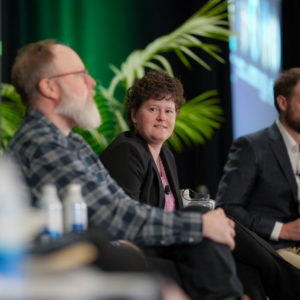
At this year’s American Clean Power Association (ACP) Siting and Permitting Conference, WEST staff shared applied research and real‑world case studies demonstrating how science‑based conservation

WEST is excited to attend American Clean Power Association (ACP)‘s Siting and Permitting Conference in Aurora, Colorado, March 30 – April 1, 2026. Our attendance

WEST is proud to announce the release of the Final Technical Report, “A Multi-Sensor Approach for Measuring Bird and Bat Collisions with Offshore Wind Turbines.” This multi-year

The US Fish and Wildlife Service (USFWS) announced today two related actions affecting the listing status of the lesser prairie-chicken. In response to a court