The inaugural Conference on Solar energy and Biodiversity – CSB 2026 (CSB) took place this year in Paris, France, from October 28 – 29, under the theme Managing Impacts and Promoting Solutions. As the first edition of a new biennial forum organized by France renouvelables, CSB brought together researchers, industry professionals, policymakers, and other stakeholders to share science-based solutions for integrating biodiversity into solar energy projects, with a focus on eco-design, the mitigation hierarchy, agrivoltaics, and restoration of degraded lands.
WEST was proud to sponsor and contribute to this first edition, presenting five oral presentations and two posters that reflect our applied research and project experience across North American solar landscapes. From nature-based solutions and pollinator seed mix design to burrowing animals, grouse and pronghorn responses to solar development, drone-based monitoring, and the evidence on bird mortality at photovoltaic (PV) facilities, our team shared practical, data-driven approaches for developing solar responsibly.
Key Conference Takeaways
During the conference, several themes stood out for anyone planning, permitting, building, or operating solar facilities.
- Let data replace assumptions. Siting and mitigation decisions for solar have often borrowed assumptions from other energy industries. Long-term datasets are now showing where those assumptions hold and where they don’t, from bird mortality patterns to grouse responses to PV development.
- Solar sites can support biodiversity. Pollinator seed mixes built from commonly available, quick-establishing species can support native bees and other insects, and early research is helping refine best practices for seed mix design.
- Biodiversity goals now span the full project life. Net-gain thinking is moving from siting and permitting through operations, which for solar can mean decades of vegetation and habitat management.
- Big datasets and field data work together. Remote sensing, drones, and broad datasets improve efficiency in siting and biodiversity evaluation, but site-specific, on-the-ground data remain essential for many project objectives.
- Responsible technology is raising the bar. Drones are increasingly accepted for solar and biodiversity monitoring, offering lower risk to biologists and reduced disturbance to wildlife when methods are species-appropriate and ethically applied.
- Science and industry work best together. The mitigation hierarchy, eco-design, and agrivoltaics all depend on pairing research with practical experience so new knowledge becomes action in the field.
WEST Presentations

Data to Decisions: Lessons from North America on Integrating Qualitative and Quantitative State-of-Nature Data for Solar Development
Bethanne Bruninga-Socolar, PhD, Michael Van Laeken
We shared how solar developers in the US and Canada are using nature-based solutions to address local construction impacts while meeting regulatory requirements and corporate Environmental, Social and Governance commitments.
Key Takeaways
- Pre-construction habitat condition assessments, built on science-based state of nature and threat criteria, provide an objective baseline of ecological health and vulnerability.
- Ecologists and biologists identify nature-based solutions directly informed by the assessment results, designed to address habitat deficiencies or threats, and aligned with project goals.
- Solutions are implemented during site design, construction, and operations maintenance, helping maintain or even enhance habitat condition throughout development.

Designing Pollinator Seed Mixes for Solar Facilities: Empirical Insights and Emerging Best Practices
Bethanne Bruninga-Socolar, PhD
We presented exploratory research from the US to inform pollinator seed mix design at solar facilities, where best practices are still in development.
Key Takeaways
- Commonly available native species that establish quickly and successfully at solar sites can support a high percentage of local bee species.
- Tall native plant species may shade panels less than seed catalog heights suggest and could be included at low densities.
- Native species provide the greatest support for diverse pollinator communities, but naturalized species with abundant, high-quality floral resources can also support diverse, abundant pollinators, including species of conservation concern.

Vegetation Restoration Shapes Grouse Use of a Utility-scale Photovoltaic Solar Facility: A Five-year Case Study with Implications for European Tetraonids
Kate MacEwan, Chad LeBeau, Carly Kelly
We examined how greater sage-grouse responded to a PV facility in Wyoming where vegetation was reseeded after construction, to help fill a gap in empirical data for grouse and solar.
Key Takeaways
- Wildlife responses to wind energy are well documented, but empirical data on ground-dwelling grouse and utility-scale PV solar remain scarce, so siting and mitigation decisions often rely on assumptions from other energy industries.
- We quantified seasonal occurrence inside and outside the facility five years after operations began.
- We also evaluated whether vegetation relates to use patterns, with relevance for European grouse such as black grouse, ptarmigan, and capercaillie, which have similar life history needs.

Photovoltaic Solar and the Lake Effect in the US and Canada–Compelling Data, or Data Mirage?
Todd Mattson, Daniel Riser-Espinoza
We traced the origins of the “lake effect hypothesis” and reviewed 14 years of data from facilities across the US and Canada.
Key Takeaways
- The hypothesis, that birds mistake reflective panels for water, grew from a 2014 report at a single Mojave Desert solar facility, so early conclusions rested on one dataset in one region.
- Data from a wide range of facilities show most fatalities were unknown-cause feather spots of common, ground-dwelling birds, with few or no aquatic species.
- The lake effect appears to be rare, and most modern evidence points to predation as the primary source of bird fatalities, with recent research also pointing to positive effects of PV solar for birds.

Solar Development and Ungulates–Common Impacts and Emerging Mitigation Strategies
We drew on a 6-year GPS study of pronghorn before and after solar development in Wyoming to summarize challenges for ungulates and emerging mitigation strategies.
Key Takeaways
- Solar facilities directly remove ungulate habitat and, depending on size and configuration, can create barrier effects, since species like deer, elk, pronghorn, and other large mammals cannot move through typical perimeter fencing.
- Large ungulates rely on design-based mitigation such as roadway offsets and movement corridors.
- Some of these challenges and strategies might be considered across geographies and different ungulate species, from deer in Europe to wildebeest in Africa to gazelles in Asia.

Digging into the Details: Burrowing Animals and Utility-scale Solar Energy
Kate MacEwan, Geoffrey Palmer, Leslie Rodman-Jaramillo, Kirsten Pearson, Tyler Merrill
We shared a poster illustrating the distinctive challenges burrowing animals present for utility-scale solar, from keystone species to protected species experiencing steep population declines.
Key Takeaways
- Burrowing animals provide important ecosystem functions, including soil modification, food web connections, and habitat engineering that supports biodiversity.
- They present unique challenges across permitting and regulations, siting, construction, and operations.
- A suite of approaches helps projects succeed while maintaining biodiversity.
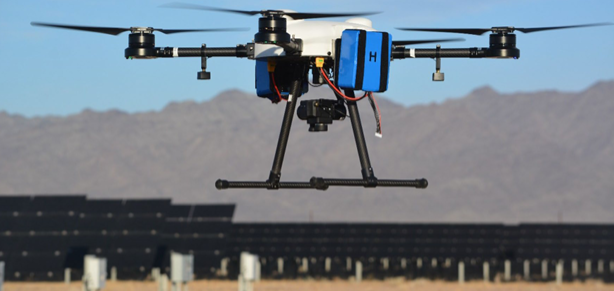
Drone-based Methods for Solar and Biodiversity Monitoring and Assessment
Kate MacEwan, Todd Mattson, Kirsten Pearson, Michael Gerringer, Aaron Hoeing
We also presented a poster on drone-based methods for nest clearance surveys, raptor nest surveys, burrowing animal surveys, and habitat mapping in solar landscapes.
Key Takeaways
- Drones can reduce risk to biologists, lower survey costs, improve efficiency across large or hard-to-access areas, and reduce wildlife disturbance when used appropriately.
- As use expands, methods need to be informed, ethical, and species-appropriate to maximize data quality while minimizing disturbance.
- Timely, standardized environmental data supports both operational decision-making and responsible stewardship of habitats and species.
Advancing Solar and Biodiversity Together
The presentations above are a snapshot of the applied research and field experience WEST brings to solar development every day. From baseline habitat assessments and pollinator seed mixes to wildlife movement, bird mortality evidence, and drone-based monitoring, our team is helping projects move forward responsibly while supporting the species and habitats around them.
If any of these topics resonate with your projects, reach out to learn how WEST can be a resource.